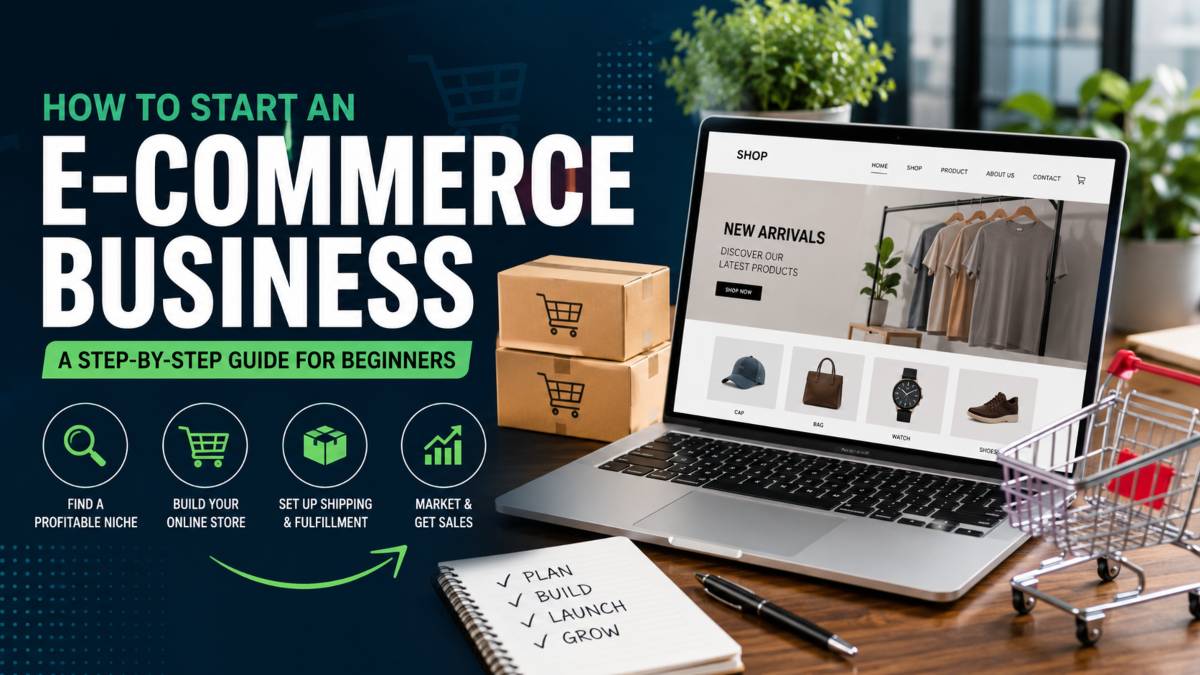
Starting an online store no longer belongs to tech experts or people with deep pockets. The doors are wide open. With the right idea and a clear plan, almost anyone can step in and build something real. This guide on the best ideas to start your e commerce business is built to do two things at once. It gives you fresh ideas you can actually use, and it shows you how to move from thinking to doing.
What makes e commerce so attractive right now is the flexibility. You can start small, test quickly, and grow at your own pace. There is no need to rent a shop or hire a big team. You can run your store from your laptop, your phone, or even from your living room.
The risk is lower than most traditional businesses, but the reach is much bigger. Your audience is not just your city. It can be your country or even the world. The only real question is this. Which idea will you choose, and how fast will you act on it?
Profitable E Commerce Business Ideas You Can Start Today
Think of e commerce as a menu, not a single path. Each model comes with its own level of effort, cost, and return. Some let you start with almost no upfront spend, while others ask for more time and planning but offer stronger control and margins. The key is to pick a model that fits your skills, your budget, and how fast you want to move.
Print on Demand POD
A print on demand business lets you sell custom products without holding any stock. You create designs for items like t shirts, mugs, or phone cases, upload them to a platform, and when a customer places an order, a third party prints and ships it for you. You focus on ideas and branding while the logistics run in the background.
The biggest advantage is the low upfront cost. You do not need to buy inventory or manage storage, which makes it one of the most practical low cost ecommerce ideas for beginners. You can test multiple designs and niches without heavy risk.
Success often comes from picking a strong niche. Think local culture inspired designs, fitness themed quotes, or identity driven collections that speak to a specific group. The sharper your focus, the easier it is to stand out and build a loyal audience.
Dropshipping
A dropshipping store runs without holding inventory. You list products on your website, and when someone places an order, a supplier ships the item straight to the customer. You handle the storefront and marketing while the supplier takes care of storage and delivery.
This model works well for ecommerce for beginners because it allows fast testing. You can try different products and niches without spending money on stock. If something sells, you double down. If it does not, you move on quickly.
Common categories include home decor, gadgets, pet products, and fashion accessories. The key is not just picking a popular product but presenting it in a way that feels focused and trustworthy. A clear niche and strong product pages can turn a simple store into a steady source of sales.
Digital Products
Digital products cut out inventory entirely. You create something once, then sell it again and again with almost no extra cost. That makes margins strong and the setup clean. It is one of the most direct ways to enter digital products online without worrying about shipping or storage.
Common formats include ebooks, Canva templates, spreadsheets, design assets, and full online courses. A simple guide, a useful template, or a short training series can turn into a steady stream of passive income ecommerce if it solves a clear problem.
The real edge here is scale. One file can reach hundreds or thousands of buyers without extra effort on delivery. Focus on a specific need, package it well, and make the buying process simple. That is where digital products start to perform.
Subscription Box Business
A subscription box business turns one time buyers into repeat customers by delivering curated products on a set schedule. Customers sign up once and receive a box every month, which builds steady recurring ecommerce revenue and keeps cash flow more predictable.
This model works because it blends convenience with surprise. People enjoy receiving something new without having to search for it each time. Over time, this creates a sense of community and loyalty around your brand.
There are many directions you can take. Think snack boxes, skincare kits, fitness gear, or pet care packages. You can even focus on cultural themes or local products for a more personal touch. The key is consistency. When customers trust the quality and feel excited about each delivery, they stay longer and spend more.
Niche Retail DTC Brand
A niche ecommerce store focuses on a specific audience instead of trying to sell to everyone. This is where a direct to consumer brand can really shine. You choose a tight group with clear needs and build products and messaging just for them.
The advantage is clarity. Your store feels focused, your products make sense together, and your brand becomes easier to trust. Whether it is handmade leather goods, halal skincare, or eco friendly home items, the goal is to serve one group exceptionally well.
Branding plays a big role here. From your visuals to your tone, everything should feel consistent and intentional. When customers connect with your identity, they are more likely to return and recommend your store to others. That is how a small niche can turn into strong long term loyalty.
B2B Wholesale E Commerce
B2B ecommerce focuses on selling products to other businesses instead of individual customers. This could include wholesale clothing, office supplies, or raw materials. Orders are usually larger, which means higher value per sale and more predictable demand.
One of the biggest advantages is repeat buying. Businesses often reorder the same products, which creates steady revenue without needing constant customer acquisition. Once you build trust, clients tend to stick around.
Modern B2B ecommerce platforms are also becoming more automated. Systems can handle bulk pricing, inventory updates, and even recurring orders. This reduces manual work and allows you to scale faster while keeping operations smooth and efficient.
ReCommerce Used and Refurbished Goods
A recommerce business focuses on selling used, refurbished, or restored products through an online store. Instead of creating new items, you give existing products a second life. This model works well for electronics, fashion, and even furniture.
The biggest draw is the price advantage. Customers can get quality items at lower cost, which makes resale ecommerce especially strong in markets where buyers are more budget conscious. At the same time, many people appreciate the idea of reducing waste and making smarter buying choices.
Trust is key here. Clear product descriptions, honest condition details, and good images help customers feel confident before they buy. When done right, recommerce can turn everyday items into a reliable and profitable online business.
E Commerce Services
An ecommerce services business flips the model. Instead of selling products, you sell your skills to other store owners. As more brands move online, the demand for skilled support keeps rising.
You can offer services like store setup, product photography, paid ads management, or SEO. Many business owners want to grow but lack the time or expertise, which creates a steady stream of clients for those who can deliver results.
This path works well if you already understand how online stores run. You can start with one service, build a portfolio, and expand over time. With the right positioning, a small service offer can turn into a strong and scalable income stream.
How to Start an E Commerce Business Step by Step Plan
Ideas are only half the story. What matters now is turning one of them into something real. This section walks you through the process in clear steps you can follow without confusion. You do not need perfect knowledge or a big budget to begin. You just need a simple plan, a willingness to test, and the discipline to keep moving forward.
1. Choose Your Business Model and Niche
Start by picking one of the ecommerce business models that fits both your skills and your resources. If you enjoy design, print on demand might suit you. If you prefer testing products quickly, dropshipping can be a better match. The goal is to choose something you can manage without friction.
Next, narrow your niche. Avoid broad ideas like clothing or gadgets. Go tighter. Think in terms of a specific audience with a clear need or interest. A focused niche makes your store easier to understand and easier to trust.
When your model and niche align, decisions become simpler and your chances of early traction improve.
2. Validate Your Idea Before Spending Money
Before you invest time or cash, take a moment to validate ecommerce idea with real signals. Start by checking social platforms and marketplaces. Look for similar products, read customer comments, and see what people are actually buying. If there is demand, it will show up in reviews, shares, and repeat listings.
Next, run small test campaigns. Create a simple landing page or post your product idea with mock visuals. Put a small budget behind ads and track clicks or messages. You are not chasing profit here, you are looking for interest.
If people respond, you move forward with confidence. If they do not, you adjust or try a new angle without wasting resources.
3. Pick the Right E Commerce Platform
Your platform is the engine behind your store, so choose one that matches your comfort level and goals. If you want something simple and ready to go, Shopify is a popular choice. It handles hosting, design, and payments in one place. For more control and flexibility, WooCommerce works well, especially if you are familiar with WordPress. BigCommerce sits somewhere in between, offering strong built in features with room to grow.
The best ecommerce platform is the one you can manage without friction. Beginners should focus on ease of use, while more advanced users can explore customization and deeper control as their store grows.
4. Build and Set Up Your Online Store
Now it is time to bring your store to life. Start by choosing a clean domain name that matches your brand and is easy to remember. This becomes the home of your start ecommerce business website, so keep it simple and clear.
Next, build strong product pages. Use sharp images, clear titles, and descriptions that explain what the product does and who it is for. Good visuals matter. Even basic product photography with proper lighting can make a big difference in how your store feels.
Finally, set up payment options that your customers trust. Include common methods like card payments and local options where needed. A smooth checkout process reduces friction and helps turn visitors into buyers.
5. Handle Shipping and Fulfillment
Shipping is where your promise meets reality. Choose from common ecommerce fulfillment methods based on your setup. With dropshipping, suppliers handle packing and delivery for you. With self fulfillment, you manage inventory, pack orders, and ship them yourself. Each option has its own level of control and effort.
If you are selling locally, delivery speed and reliability matter even more. Work with trusted courier services and set clear expectations for delivery times. Customers value transparency, especially when they are ordering online.
Keep your process simple at the start. As orders grow, you can refine your system and improve efficiency without losing consistency.
6. Create a Brand That People Remember
A strong brand makes your store feel real, not forgettable. Ecommerce branding starts with a clear visual identity. Choose colors, fonts, and a style that stay consistent across your website and social pages. When everything looks connected, your store feels more trustworthy.
Next, define your message. What do you stand for and who are you speaking to. Keep it simple and direct. Customers should understand your brand within seconds of landing on your page.
When visuals and message work together, people remember you. That recognition builds trust, and trust is what turns first time buyers into repeat customers.
7. Market Your Store and Get Sales
A great store means nothing if no one sees it. This is where ecommerce marketing strategies come into play. Start with social platforms like Instagram, Facebook, and TikTok. These channels give you direct access to your audience and let you show your product in action.
Paid ads can bring quick traffic, especially when you are testing new products. Start small, track results, and improve your campaigns based on what works. At the same time, build content that lasts. Short videos, helpful posts, and simple guides can attract organic traffic over time.
The goal is balance. Use ads for speed and content for consistency. When both work together, your store gains visibility and steady sales.
Tips to Grow and Scale Your E Commerce Business
Once your store starts making sales, the next step is to scale ecommerce business in a way that stays stable and profitable. Growth is not just about getting more customers. It is about getting the right ones and keeping them.
Start by focusing on repeat customers. A buyer who comes back is far more valuable than someone who purchases once and disappears. Simple steps like good service, fast replies, and small incentives can encourage people to return.
Next, use your data. Look at which products sell best, which pages get attention, and where customers drop off. These insights help you refine your offers and improve what already works.
You can also expand your product line once you see demand. Add related items that fit your niche instead of jumping into random categories. Finally, build content that attracts organic traffic. Helpful articles, short videos, and product guides can bring consistent visitors without relying only on ads.
Common Mistakes to Avoid When Starting E Commerce
Most ecommerce mistakes are not about effort. They come from unclear direction. One of the biggest issues is choosing a broad niche. When you try to sell to everyone, your message becomes weak and your store feels generic.
Another common problem is skipping validation. Many people jump straight into building a store without checking if there is real demand. This leads to wasted time and slow sales.
Branding also matters more than most expect. If your visuals and message feel inconsistent, customers hesitate. Trust drops quickly.
Finally, poor product pages can ruin good ideas. Low quality images and vague descriptions make it hard for buyers to feel confident. Clear presentation can often be the difference between a sale and a missed opportunity.
Conclusion
You have enough to begin. Not everything, just enough. That is how most strong businesses start. One idea, one decision, one step taken without waiting for perfect timing.
Pick the model that fits you, test it in the real world, and pay attention to what happens. Let results guide your next move. Some things will work, some will not. That is part of the process, not a sign to stop.
Keep your focus tight. Improve what gains traction. Stay consistent even when progress feels slow. Momentum builds quietly, then all at once.
The only difference between those who talk about starting and those who actually build something is action. Take yours now.